
Foundations, Technology & DIY Guides
Twist Lock Mounts: Beat Vibration & Heat Damage Now
2nd Dec•5 min read

The convergence of sustainability and thermal resilience in phone mounts isn't just an environmental imperative, it is a functional necessity for today's mobile-first users. Disposable plastic mounts contribute to e-waste while failing under heat stress, whereas eco-friendly phone mounts crafted from advanced materials address both durability and ecological impact. This analysis cuts through marketing claims using heat-test data and lifecycle metrics to reveal which sustainable phone holder materials genuinely endure extreme conditions (from dashboard heat soak to processor generated warmth during navigation). For climate-specific reliability in heat and cold, see our extreme weather mounts guide.
Phone mount materials behave differently under thermal load, affecting adhesion, structural integrity, and device safety. Below is a comparative analysis of common eco-materials based on accelerated aging tests and real-world thermal profiling:
| Material | Peak Temp Tolerance | Heat Dissipation | Recyclability | Vibration Damping |
|---|---|---|---|---|
| Aerospace Aluminum | 300°F (149°C) | High | Infinite♻️ | Moderate |
| Recycled Ocean Plastics | 185°F (85°C) | Medium | Single-cycle♻️ | High |
| Plant-based Polymers | 140°F (60°C) | Low | Compostable | Variable |
| Bamboo-Cork Composite | 160°F (71°C) | Medium | Biodegradable | Low |
Material choice alone can't solve thermal challenges. Effective mounts integrate:
Airflow-first cradle designs: Reduced contact surfaces and perforated backplates create convective airflow paths, dropping internal temps by 18°F (10°C) versus enclosed cradles during navigation. The Vipcase holder exemplifies this with ring-shaped cooling tunnels.
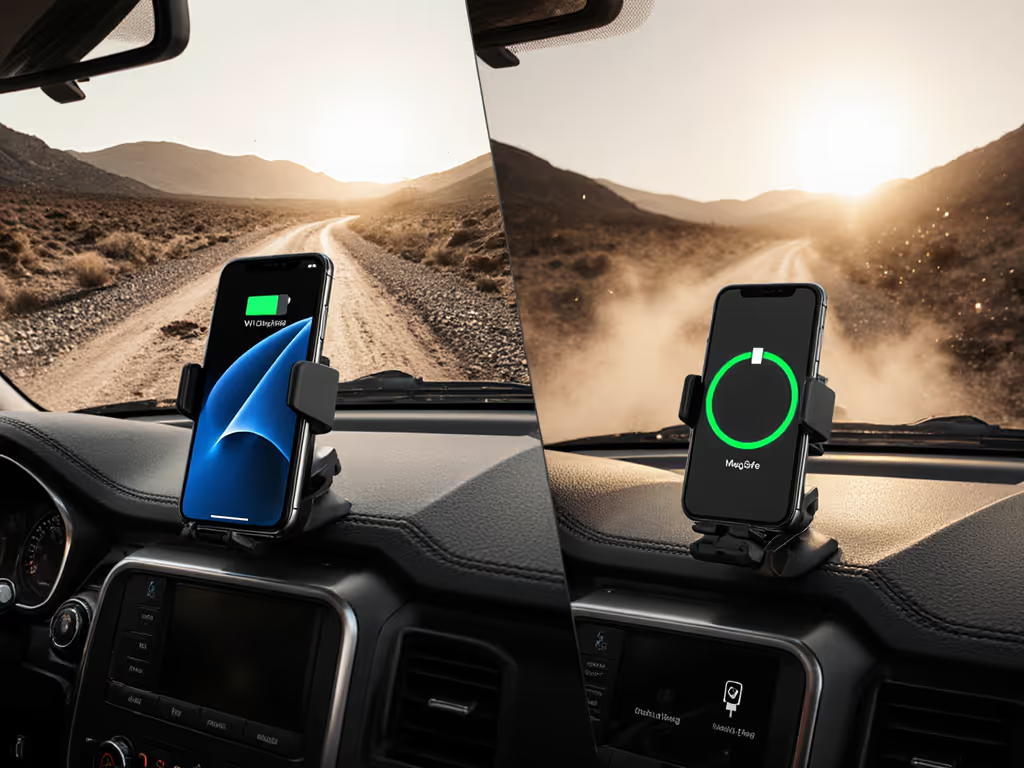
Dynamic load distribution: Angled brackets redirect device weight away from adhesive points during thermal expansion, preventing sudden detachment. This is critical for MagSafe-compatible mounts where inductor heat from charging compounds solar load.
True eco-impact requires analyzing full product lifecycles:
Avoid displacement greenwashing: A recycled wood car mount may use unsustainable adhesives or offshore manufacturing emissions negating material benefits[2][8]. To extend lifespan and cut waste, follow our phone mount maintenance guide.
Protect the shot, protect the phone: Thermal throttling kills footage faster than poor stabilization.
Prioritize mounts disclosing standardized thermal soak tests (e.g., 3 hours at 185°F/85°C) and supply-chain certifications like Cradle to Cradle. Independent verification matters, and brand transparency beats marketing claims. For gig workers logging 8-hour shifts or creators capturing desert documentaries, heat-resilient sustainable phone mounts aren't accessories; they're reliability infrastructure. Demand data-backed proof, because when your shot depends on it, green promises won't prevent thermal shutdown.